

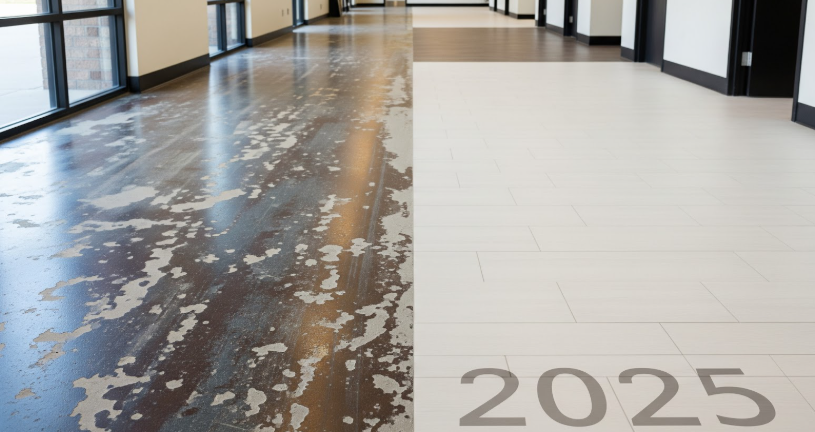
Setting the Stage: Why ROI Matters for Leander Retail Floors
Retail in Leander is growing fast, and that means every square foot of your store needs to work harder than ever. Foot traffic is steady year-round, especially in strip centers and busy local shopping corridors. Add Texas humidity, heat, and the wear-and-tear that comes from customers, display racks, rolling carts, and cleaning cycles, and the type of floor you choose can dramatically affect your long-term costs.
Flooring isn’t just a design choice—it’s a business decision. That’s why many retailers start the conversation with upfront pricing, but the real question is how well the floor will perform five to ten years after installation. A beautiful floor that dents, fades or needs constant repairs can cost far more over time than one with a slightly higher initial price tag.
At Texas Flooring Professionals, local store owners get guidance rooted in real experience and long-term planning. This blog breaks down the key factors that influence ROI for commercial flooring so you can budget confidently and make the best long-term choice for your Leander business.
Initial Material Cost: What Retailers Actually Pay Upfront
Upfront cost matters—but it only tells part of the story. Retail owners often compare materials solely by price per square foot without considering installation time, slab prep, store layout, or long-term wear. Here’s how to think about the initial investment in a practical, business-focused way.
Material-Only Pricing Comparisons
Different commercial flooring materials fall into rough price tiers:
Commercial LVP – Typically positioned as a budget-friendly but durable option
Commercial carpet tile – Moderate cost with strong value
Polished concrete – Moderate to high, depending on slab condition
Porcelain tile – Generally higher due to material strength and weight
Rubber flooring – Moderate to high depending on thickness and density
These tiers help retailers understand where each product sits, but don’t determine ROI on their own.
Installation Complexity
Even affordable materials can become costly when installation requires:
Extensive leveling
Moisture mitigation
Removing old adhesive
Subfloor patching
Cutting around built-ins, display islands or angled walls
Retail spaces often come with quirks—older slab conditions, layout changes from previous tenants, or drainage issues near storefronts. These factors affect the final cost more than most store owners expect.
Real Examples in Leander Retail Settings
Small boutiques may prioritise materials that install quickly with minimal disruption.
Salons and cafés often need surfaces that can handle spills and moisture.
Gift shops and high-traffic stores need dent-resistant flooring that won’t show wear early.
Understanding your store’s traffic pattern and service style helps align cost expectations with long-term value.
Durability & Lifespan: The Real ROI Driver
For any business operating in Central Texas, durability is where long-term ROI truly takes shape. Foot traffic, weather changes, and daily cleaning all affect how well your floor holds up over the years.
Foot-Traffic Resistance
Retail environments experience constant movement—customers walking in from the parking lot, employees moving stock, rolling carts and strollers. Materials perform differently:
LVP handles everyday wear well and maintains appearance.
Porcelain tile stands up to extremely heavy traffic.
Carpet tile absorbs sound and softens footsteps but may eventually show patterns in the busiest aisles.
Polished concrete performs well but requires more periodic maintenance to stay visually sharp.
Scratch & Dent Performance
Displays shift. Racks move. Deliveries come in. Some materials handle this better than others:
LVP and rubber flooring perform well against impact and scratches.
Tile resists scratching but can crack under heavy point impact.
Concrete withstands impact but is prone to surface scuffs.
Moisture & Spill Protection
Texas humidity and retail conditions mean occasional spills. Salons, cafés and health-focused shops especially need surfaces that handle water confidently. Materials like tile and LVP offer strong moisture protection, while others may need additional finishes to prevent staining or moisture damage.
Maintenance Costs & Time: The Hidden Budget Factor
Maintenance often becomes the biggest long-term cost in commercial flooring. A material that installs cheaply can ultimately become far more expensive through repairs, polishing, or premature replacement.
Daily Cleaning Requirements
LVP: Sweep and damp mop
Tile: Mop + periodic grout maintenance
Concrete: Requires auto-scrubbing and protective coatings
Carpet tile: Vacuuming + spot cleaning
Some retailers overlook how climate, entrance traffic, and store layout impact cleaning frequency.
Repair & Replacement Frequency
Carpet tile: Easy spot replacements
LVP: Individual planks can be replaced
Tile: Repairs require more labour and downtime
Concrete: Chips or cracks may need grinding or patching
The ability to replace small sections with minimal disruption adds huge value for busy stores.
Lifetime Maintenance Profiles
Retailers should consider:
Whether the floor needs periodic sealing
Expected lifespan under heavy traffic
How often repairs are needed
Whether the material shows wear quickly in high-visibility zones
These hidden costs add up—making maintenance planning crucial to ROI.
Aesthetic Longevity: Looks That Last or Trends That Age Fast?
Retail design matters. Customers notice your floor the moment they walk in, and flooring impacts mood, acoustics, wayfinding, and brand identity.
Color & Pattern Retention
Texas sunlight can fade floors quickly. Materials react differently:
LVP: Good fade-resistance
Tile: Excellent UV stability
Carpet tile: Strong pattern retention but can show traffic shading
Design Flexibility
Retailers frequently refresh displays or rebrand. Floors that work with multiple interior styles—wood-look, stone-look, or neutral tones—offer more long-term value.
Customer Experience
Comfort and acoustics play a quiet but important role in customer browsing time. Carpet tile softens footsteps. Tile and concrete offer clean, modern appeal but may need rugs in certain seating or waiting areas.
Installation Time & Business Downtime
Every day your store is closed affects revenue, so understanding installation timelines is essential.
Fastest Install Options
Click-LVP
Carpet tile
These allow quicker reopenings and minimal business interruption.
Slower Install Options
Tile
Concrete grinding and refinishing
These options may require temporary store closures and more complex scheduling.
Night & Weekend Installation
Professional installers can work around your operating hours when scheduling allows, reducing downtime and maintaining customer flow.
Cost vs Longevity Breakdown by Material Type
Luxury Vinyl Plank (LVP)
Moderate upfront cost
Very durable against foot traffic and scratches
Low maintenance
Long lifespan in retail settings
Great for boutiques and lifestyle stores
Commercial Carpet Tile
Moderate cost
Strong acoustics
Easy to replace
Best for offices, salons, fitness retail
Porcelain Tile
Higher upfront cost
Excellent durability
Low maintenance
Extremely long lifespan
Rubber Flooring
Moderate to high cost
Excellent impact absorption
Great for gyms, kids’ stores, or wellness shops
Polished Concrete
Moderate to high cost
Strong durability
Requires scheduled sealing or polishing
Works well in industrial-style stores
This is also where you can naturally reference your service page using the mid-blog link: many store owners explore durable, long-term options through commercial flooring as part of their planning.
What Delivers the Best ROI for Leander Retail Stores in 2025?
No single material wins for every business. Instead, ROI depends on how your store operates.
Best for long-term value: Porcelain tile or LVP
Best for fast installation: Carpet tile or click-LVP
Best for flexible design: LVP or neutral carpet tile
Best for heavy traffic: Porcelain tile or rubber flooring
Texas Flooring Professionals brings a combination of knowledgeable guidance and high-quality installation that helps local stores choose floors that hold up beautifully over time.
Choosing the Right Floor for Your 2025 Retail Budget
Flooring is a long-term investment that impacts operating costs, customer perception, and daily workflow. When you understand how each material performs over time, choosing the right one feels far easier.
If you’re planning a refresh or full remodel for your Leander retail space, the team at Texas Flooring Professionals offers expert advice, mobile showroom options and transparent installation services. If you’re ready to discuss ideas or pricing, you can always reach out to us—we’re here to help you create a durable, stylish space that supports your business for years to come.


